2001 Kentucky Civil Rights Hall of Fame
- Inductees from Lexington
|
|
Bishop Robert W. Estill
(1927 - ) |
|
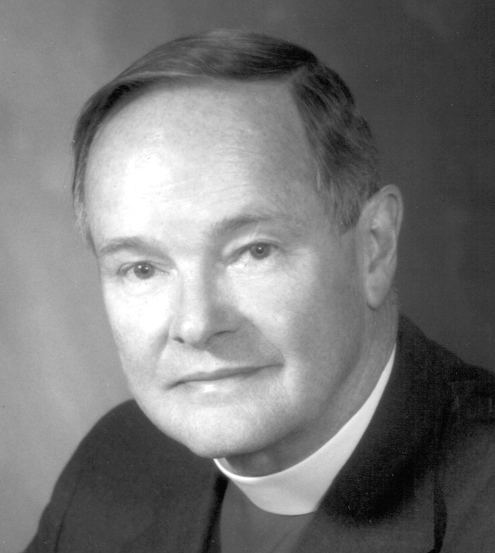 Bishop Estill is one of a few prominent leaders from the
white establishment who provided exemplary leadership during the fifties
and sixties in the struggle against discrimination in public accommodation
and employment. He led by example employing an African American
woman who served as his executive secretary for five years at his
church. In 1960, he became the first chairman of the Kentucky Human
Rights Commission, where he served until 1966. He is said to have
set the tone for the "current acceptance of the Kentucky Commission
on Human Rights as a legitimate and respected agency with full enforcement
powers." He also served on the Lexington Human Rights
Commission. In 1962, he chaired the first Mayor's Meeting on Human
Rights. During the same year he was instrumental in helping to
desegregate the Phoenix Hotel in Lexington. He helped rally the
march of approximately 10,000 people on Frankfort in 1964, which was lead
by the late Rev. Martin Luther King, Jr. He once said, "The
role of a minister is to make comfortable people uncomfortable, and
uncomfortable people, comfortable." Bishop Estill is one of a few prominent leaders from the
white establishment who provided exemplary leadership during the fifties
and sixties in the struggle against discrimination in public accommodation
and employment. He led by example employing an African American
woman who served as his executive secretary for five years at his
church. In 1960, he became the first chairman of the Kentucky Human
Rights Commission, where he served until 1966. He is said to have
set the tone for the "current acceptance of the Kentucky Commission
on Human Rights as a legitimate and respected agency with full enforcement
powers." He also served on the Lexington Human Rights
Commission. In 1962, he chaired the first Mayor's Meeting on Human
Rights. During the same year he was instrumental in helping to
desegregate the Phoenix Hotel in Lexington. He helped rally the
march of approximately 10,000 people on Frankfort in 1964, which was lead
by the late Rev. Martin Luther King, Jr. He once said, "The
role of a minister is to make comfortable people uncomfortable, and
uncomfortable people, comfortable."
|
|
|
|
|
|
Rev. William A. Jones, Sr.
(1907 - 1968) |
|
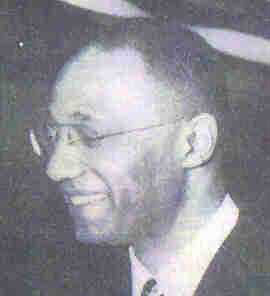 The historic Pleasant Green Baptist Church of Lexington
where the late Rev. Jones served from 1940 to 1968, was the cradle of the
civil rights movement in central Kentucky. He was chief strategist
and advisor to the Lexington Chapter of Congress of Racial Equality
(CORE), which was founded in Pleasant Green. He organized local
African American ministers to encourage their parishioners and African
American constituents to vote en bloc during an election that produced the
first African American City Councilman and Mayor pro-tem in
Lexington. He appeared as the sole African American before the
Fayette County Board of Education in the sixties in opposition to the
premature closing of Dunbar High School. His efforts assured the
continuation of the school for a number of years. In death, Rev.
Jones was the first African American person to be buried in the
theretofore racially segregated Lexington Cemetery. The historic Pleasant Green Baptist Church of Lexington
where the late Rev. Jones served from 1940 to 1968, was the cradle of the
civil rights movement in central Kentucky. He was chief strategist
and advisor to the Lexington Chapter of Congress of Racial Equality
(CORE), which was founded in Pleasant Green. He organized local
African American ministers to encourage their parishioners and African
American constituents to vote en bloc during an election that produced the
first African American City Councilman and Mayor pro-tem in
Lexington. He appeared as the sole African American before the
Fayette County Board of Education in the sixties in opposition to the
premature closing of Dunbar High School. His efforts assured the
continuation of the school for a number of years. In death, Rev.
Jones was the first African American person to be buried in the
theretofore racially segregated Lexington Cemetery.
|
|
|
|
|
Julia Etta Lewis
(1932 - 1998) |
|
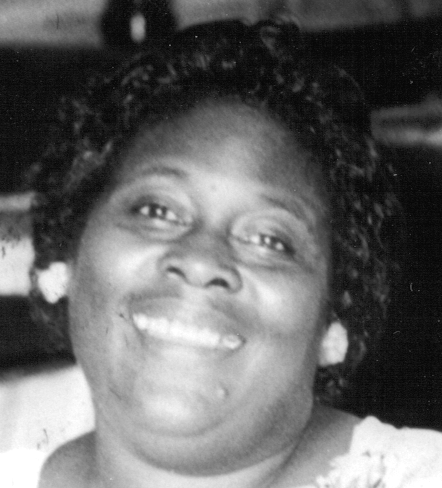 In the mid sixties, the late Ms. Lewis was a leader in the
Civil Rights Movement in Lexington, and was a key leader in the Kentucky
Congress of Racial Equality. She was a registered nurse by
profession who focused on problems of segregation in theaters, education,
shopping, trying on clothing and hats before purchase and public
transportation. Nonviolent demonstrations and sit-ins were her
weapons. Her voice and ability to extemporaneously quote Martin
Luther King, William Shakespeare, Paul Lawrence Dunbar and the Bible would
inspire and motivate marchers to continue in the fight for freedom.
She was a leader of the march and deliberations that integrated the city's
food chain restaurants. She lectured in the state on the importance
of freedom and responsibility. She participated with the historic
Pleasant Green Missionary Baptist Church activities. She served as a
council in regard to civil rights issues to mayors, governors and
presidents. In the mid sixties, the late Ms. Lewis was a leader in the
Civil Rights Movement in Lexington, and was a key leader in the Kentucky
Congress of Racial Equality. She was a registered nurse by
profession who focused on problems of segregation in theaters, education,
shopping, trying on clothing and hats before purchase and public
transportation. Nonviolent demonstrations and sit-ins were her
weapons. Her voice and ability to extemporaneously quote Martin
Luther King, William Shakespeare, Paul Lawrence Dunbar and the Bible would
inspire and motivate marchers to continue in the fight for freedom.
She was a leader of the march and deliberations that integrated the city's
food chain restaurants. She lectured in the state on the importance
of freedom and responsibility. She participated with the historic
Pleasant Green Missionary Baptist Church activities. She served as a
council in regard to civil rights issues to mayors, governors and
presidents.
|
|
|
|
|
|
Dr. Abby L. Marlatt
(1916 - ) |
|
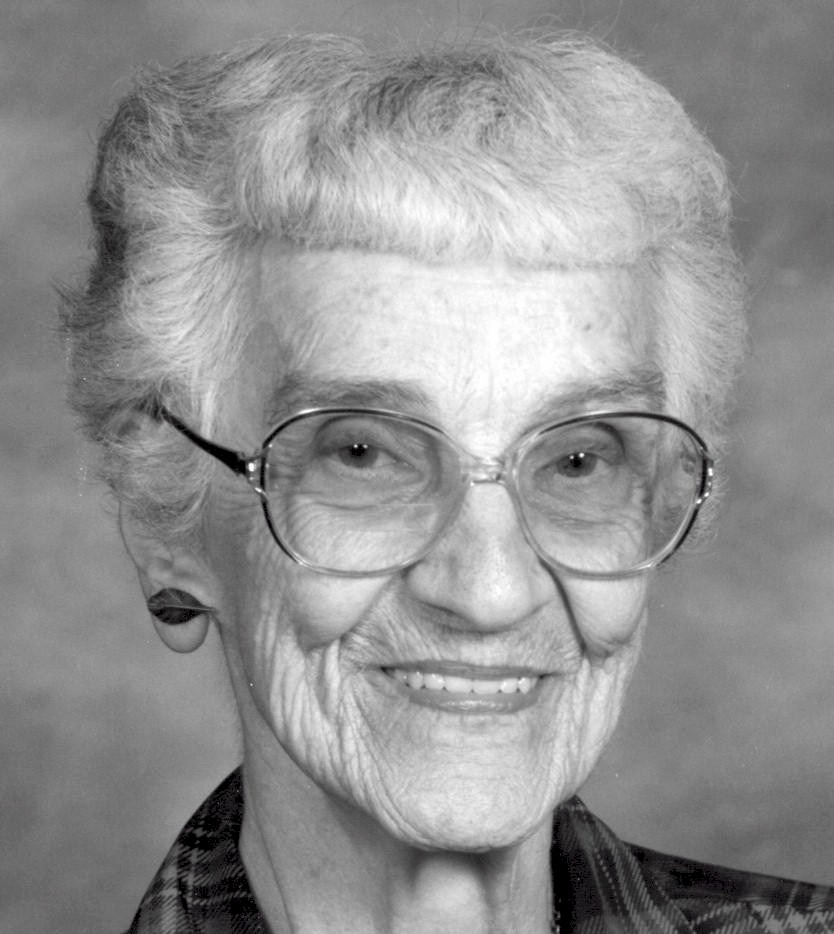 Dr. Marlatt was instrumental in forming the Lexington
chapter of the Congress of Racial Equality (CORE). She organized
protests and marches in downtown Lexington. Even under pressure from
officials where she was Director of the School of Home Economics at the
University of Kentucky, she persevered. She helped start the
Lexington Committee on Religion and Human Rights, which was a force in
calling attention to injustice in Lexington. She was a charter
member of the Lexington-Fayette Urban County Government Ethics Commission
as a representative of the League of Women Voters. She currently
serves on the Board of Community Action and the Board of Emerson
Center. Her primary focus is ensuring that barriers are eliminated
for those unable to speak for themselves such as children, the elderly and
minorities. The National Conference of Community and Justice honored
her with its Brotherhood Award in 1985 for her tireless devotion to
promoting justice in Kentucky. Dr. Marlatt was instrumental in forming the Lexington
chapter of the Congress of Racial Equality (CORE). She organized
protests and marches in downtown Lexington. Even under pressure from
officials where she was Director of the School of Home Economics at the
University of Kentucky, she persevered. She helped start the
Lexington Committee on Religion and Human Rights, which was a force in
calling attention to injustice in Lexington. She was a charter
member of the Lexington-Fayette Urban County Government Ethics Commission
as a representative of the League of Women Voters. She currently
serves on the Board of Community Action and the Board of Emerson
Center. Her primary focus is ensuring that barriers are eliminated
for those unable to speak for themselves such as children, the elderly and
minorities. The National Conference of Community and Justice honored
her with its Brotherhood Award in 1985 for her tireless devotion to
promoting justice in Kentucky.
|
|
|
|
Nominees from Lexington
|
George Leslie Logan
(1929 - ) |
|
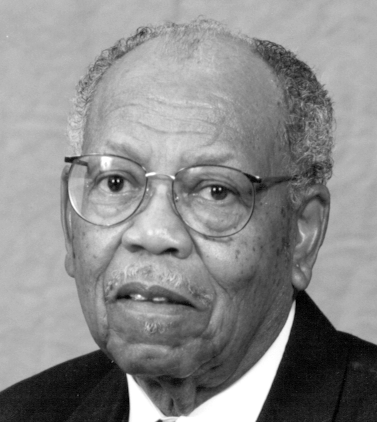 Long an advocate of civil rights, Mr. Logan has been
recognized by four governors for his work in securing Martin Luther King
Day as a state holiday. He enrolled at the University of Kentucky as
one of the first African American students in the graduate school.
He was the first African American professor in the Kentucky Department of
Education to become state Director of Drivers Education Supervisors (the
first in the United States), and to hold a national office in the American
Academy of Safety. He was instrumental in drawing boundary lines for
a legislative district to represent a predominately African American area,
ensuring fair representation. He is a historian who continues to
speak to school and community groups about the importance of African
American contributions to both state and national history. One of
his most significant impacts comes from his work with young people. Long an advocate of civil rights, Mr. Logan has been
recognized by four governors for his work in securing Martin Luther King
Day as a state holiday. He enrolled at the University of Kentucky as
one of the first African American students in the graduate school.
He was the first African American professor in the Kentucky Department of
Education to become state Director of Drivers Education Supervisors (the
first in the United States), and to hold a national office in the American
Academy of Safety. He was instrumental in drawing boundary lines for
a legislative district to represent a predominately African American area,
ensuring fair representation. He is a historian who continues to
speak to school and community groups about the importance of African
American contributions to both state and national history. One of
his most significant impacts comes from his work with young people.
|
|
|
| |
|
|
William Wade Smith, Sr.
(1924 - 1997) |
|
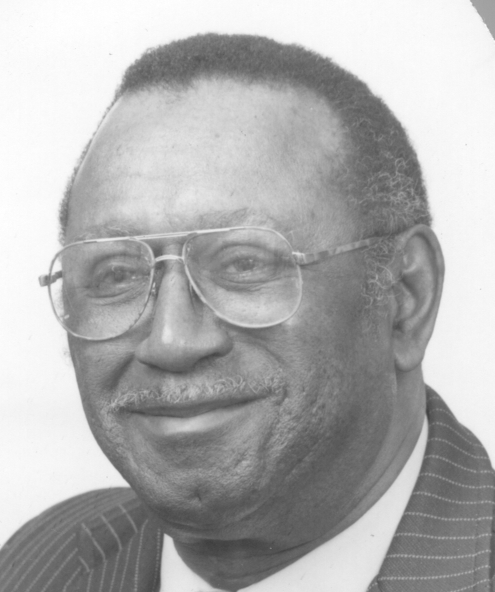 One of his supporters wrote: "Billy was born to be a
leader. He reminds me of Moses who led the Israelites. No
matter what the task was he was always ready for the
challenge." The late Mr. Smith played a tremendous role in the
fight for injustice and fairness for citizens of Versailles and Woodford
County. His efforts go back to the 1940s and continued until his
death in 1997. "Mr. Smith knew that African Americans were
being discriminated against so he set out to change some
things." He worked with the Kentucky Commission on Human Rights
to form the local commission in his area. In the 1980s when it began
to languish, he led the effort to revitalize its structure so it would
thrive. He received the NAACP President's Award for this
accomplishment. In 1997, he received the Kentucky NAACP Clarence
Mitchell Award. He was a leader in getting the county and city
police forces, as well as retail stores and banks, integrated in the
area. He was a U.S. Army WW II veteran. He retired in 1981
after 26 years as a printing supervisor for several state
departments. He received the Ruth Roach Community Through Unity
Award. One of his supporters wrote: "Billy was born to be a
leader. He reminds me of Moses who led the Israelites. No
matter what the task was he was always ready for the
challenge." The late Mr. Smith played a tremendous role in the
fight for injustice and fairness for citizens of Versailles and Woodford
County. His efforts go back to the 1940s and continued until his
death in 1997. "Mr. Smith knew that African Americans were
being discriminated against so he set out to change some
things." He worked with the Kentucky Commission on Human Rights
to form the local commission in his area. In the 1980s when it began
to languish, he led the effort to revitalize its structure so it would
thrive. He received the NAACP President's Award for this
accomplishment. In 1997, he received the Kentucky NAACP Clarence
Mitchell Award. He was a leader in getting the county and city
police forces, as well as retail stores and banks, integrated in the
area. He was a U.S. Army WW II veteran. He retired in 1981
after 26 years as a printing supervisor for several state
departments. He received the Ruth Roach Community Through Unity
Award.
|
|
|
2003
Nominees and Inductees from Lexington 2000
Nominees and Inductees from Lexington Home
|